

Entresto
5 customer reviewsEntresto is a fixed-dose combination tablet of sacubitril and valsartan. It is used for adults with certain types of chronic heart failure, especially heart failure with reduced ejection fraction. It helps by enhancing natriuretic peptide effects while blocking angiotensin II signalling to reduce strain on the heart.
What is it?
Entresto is a fixed-dose combination tablet containing Sacubitril and Valsartan (often written as Sacubitril/Valsartan). It is used to treat certain types of chronic heart failure in adults, with the best-established role in heart failure with reduced ejection fraction, where the heart’s pumping function is weakened.
Entresto is usually used as part of a broader heart-failure plan that can also include a beta‑blocker, a diuretic, and sometimes an SGLT2 inhibitor, depending on symptoms, blood pressure, kidney function, and potassium levels. One practical point: prescribers often choose Entresto when they want stronger neurohormonal control than an ACE inhibitor or ARB alone, but they still need a regimen the patient can follow long term. Guidance in cardiology care pathways aligns with use in symptomatic HFrEF to reduce heart-failure hospitalisation risk and improve outcomes [1].
Composition
Entresto contains two active substances: sacubitril (as sacubitril sodium) and valsartan. Tablets are available in strengths equivalent to 24/26 mg, 49/51 mg, or 97/103 mg sacubitril/valsartan per tablet. Inactive ingredients vary by strength and support tablet formation and stability.
How to use?
Entresto tablets are taken by mouth, usually twice daily, and can be taken with or without food. Dose adjustments are common in people who have low baseline blood pressure, moderate-to-severe kidney impairment, or who are switching from certain other heart-failure medicines.
Common administration realities seen in practice:
- Dose increases are often spaced by a couple of weeks to allow BP and kidney labs to settle.
- A “too fast” titration can lead to dizziness or fatigue that looks like worsening heart failure, but is actually hypotension.
- If you miss a dose, the usual clinical approach is to take the next scheduled dose at the regular time rather than doubling up.
How does it work?
- Route: oral (tablets)
- Starting dose (typical): 49/51 mg (sacubitril/valsartan) twice daily
- Lower starting dose (if needed): 24/26 mg twice daily
- Target/maintenance dose: 97/103 mg twice daily
- Titration: increase dose about every 2–4 weeks as tolerated until target reached
- Timing: take morning and evening, with or without food
- Duration: long-term treatment as prescribed; do not stop without prescriber advice
Indications
It is used to treat certain types of chronic heart failure in adults, with the best-established role in heart failure with reduced ejection fraction, where the heart’s pumping function is weakened.
Guidance in cardiology care pathways aligns with use in symptomatic HFrEF to reduce heart-failure hospitalisation risk and improve outcomes [1].
Contraindications
- Pregnancy
- History of angioedema linked to previous ACE inhibitor therapy, ARB therapy, or an ARNI
- Concomitant use with an ACE inhibitor (washout interval required before starting Entresto)
- Hypersensitivity to sacubitril, valsartan, or tablet ingredients
Not recommended for
Avoid Entresto if you are pregnant or planning pregnancy. Do not use it if you have ever had angioedema (swelling of the face, lips, tongue, or throat) linked to ACE inhibitors, ARBs, or an ARNI. Entresto should not be taken at the same time as an ACE inhibitor, and you need a washout gap when switching. Do not take it if you are allergic to sacubitril, valsartan, or any tablet ingredients.
Side effects
Most side effects with Entresto reflect its blood-pressure and kidney-hormone effects. The common ones patients report are dizziness, light-headedness, fatigue, low blood pressure (hypotension), and cough; some people also see higher potassium (hyperkalaemia) or changes in kidney function on blood tests. In EMA-reviewed safety data, hypotension, hyperkalaemia, and renal impairment are among the key adverse reactions monitored during treatment [4].
Common mistakes
People rarely “fail” Entresto because it does not work; they struggle because heart-failure regimens are busy and small errors have outsized effects.
The mistakes I see most often:
- Starting Entresto too soon after an ACE inhibitor, skipping the washout gap and raising angioedema risk.
- Doubling a dose after a missed tablet, leading to sudden hypotension and near-fainting.
- Assuming dizziness means heart failure is worsening, then stopping the tablet instead of checking BP and volume status.
- Adding potassium salt substitutes without realising they can push potassium up when combined with RAAS-active therapy.
- Using NSAIDs for back pain for several days while slightly dehydrated, then seeing kidney labs worsen.
Doctor opinions
In clinical practice, doctors often describe Entresto as a cornerstone option for symptomatic HFrEF when blood pressure allows it, because it targets both neprilysin and the angiotensin II receptor pathway rather than RAAS alone. They also flag that “tolerability is a dosing strategy,” meaning a patient who reaches the best tolerated dose and stays stable is doing better than someone who keeps stopping and restarting. A common clinic pattern is adjusting the diuretic first when hypotension shows up, since patients often feel better on Entresto once volume status is balanced. MOHAP-aligned prescribing in the UAE follows the same safety priorities seen in major regulators: pregnancy avoidance, angioedema history screening, and monitoring potassium and renal function after dose changes [5].
Frequently asked questions
Can Entresto be taken with food?
Yes, Entresto tablets can be taken with or without food, which helps adherence in daily life. The main routine issue is timing consistency, since twice-daily dosing works best when spaced evenly. In 2026 patient education materials used in MOHAP-regulated settings, consistent dosing schedules are a standard counselling point for chronic cardiovascular therapy.
What should I do if I miss a dose of Entresto?
The usual clinical advice is to take the next scheduled dose at the regular time and avoid doubling doses, because doubling can trigger hypotension. If missed doses are frequent, clinicians often tie dosing to a daily anchor like breakfast and evening toothbrushing to reduce forgetfulness. WHO medication-safety resources updated through 2025–2026 stress that simplified routines reduce chronic-disease dosing errors.
Why can’t Entresto be taken with an ACE inhibitor?
Combining Entresto with an ACE inhibitor increases the risk of angioedema because both affect bradykinin-related pathways alongside RAAS. A washout interval is used when switching from an ACE inhibitor to Entresto to lower this risk. This contraindication is consistent with EMA product safety requirements and is treated as a hard stop in prescribing.
Is Entresto used only in adults, or also in children?
Entresto has paediatric indications in some regulatory settings for certain types of heart failure, but the decision is specialist-led and dosing is weight- and protocol-based. On an adult-focused pharmacy page, the key point is that adult heart failure (especially HFrEF) remains the most common use case seen in UAE cardiology clinics. For regulatory scope and indications, clinicians rely on MOHAP and major regulator documentation in 2026 practice.
What blood tests are usually monitored after starting Entresto?
Clinicians usually monitor serum creatinine/eGFR (kidney function) and potassium, and they also track blood pressure trends. Early checks are common after initiation and after each titration step, since changes can appear before you feel any difference. EMA safety monitoring expectations for Sacubitril/Valsartan include renal function and hyperkalaemia surveillance as routine care.
Do you offer anonymous delivery?
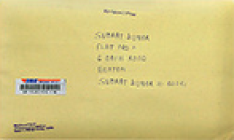 Front view
 Side view
 Back view
Your order will be securely packed and shipped within 24 hours. This is exactly what your package will look like (images of an actual item sent). It has the size and look of a regular private letter (9.4x4.3x0.3 in. or 24x11x0.7 cm) and its contents cannot be seen.
Entresto — Comparison with alternatives
Entresto Current

Pradaxa

Trental Best rated

Prasugrel

Nitroglycerin Best price
Reviews and Experiences
Sources
- European Society of Cardiology (ESC) (2026). ESC Guidelines for the management of heart failure. ↑
- World Health Organization (WHO) (2026). Cardiovascular diseases (CVDs): Fact sheet and key messages. ↑
- U.S. Food and Drug Administration (FDA) (2025). ENTRESTO (sacubitril and valsartan) prescribing information. ↑
- European Medicines Agency (EMA) (2026). Entresto: EPAR – Product Information and safety profile. ↑
- MOHAP (Ministry of Health and Prevention) (2026). UAE medication safety and prescribing guidance for chronic cardiovascular therapy. ↑
