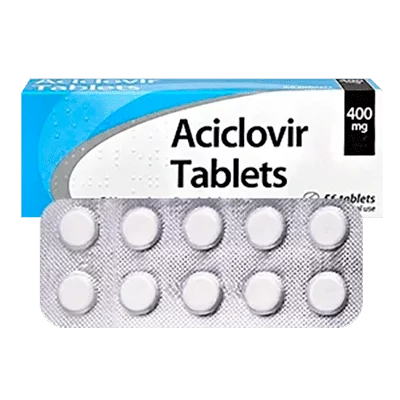
Aciclovir is an antiviral medicine used for herpesvirus infections. It is for adults with genital herpes, cold sores, or shingles. It helps slow viral DNA replication to shorten outbreaks and ease symptoms.
Description
Aciclovir is an antiviral medication used against herpesvirus infections such as genital herpes, cold sores, and shingles. It is for adults who need to shorten outbreaks, reduce new lesion formation, and ease pain and irritation. The key benefit is targeted inhibition of viral DNA replication, which slows the virus so your immune system can regain control.
Composition
Each tablet contains aciclovir as the active substance. The tablets also contain standard excipients needed for tablet formation, such as fillers, binders, and disintegrants. Aciclovir is a synthetic antiviral agent from the nucleoside analogue group.
Dosage and usage
Aciclovir is used to treat infections caused by herpesviruses, including cold sores, genital herpes, and shingles.
Genital herpes: helps shorten outbreaks and may be used to reduce the frequency of recurrences.
Cold sores: used at the first signs of tingling, burning, or itching to reduce the severity and duration of lesions.
Shingles: used to treat the rash and nerve pain caused by varicella-zoster virus.
Prevention in some patients: may be prescribed to help prevent recurrent herpes simplex infections.
Treatment works best when started early, ideally at the first symptoms of an outbreak. It reduces viral multiplication, which can lessen symptoms and speed recovery.
How it works
Oral use: Swallow the tablets with water.
Cold sores: 200 mg by mouth 5 times per day for 5 days, starting at the first tingling or burning sensation.
Genital herpes, first episode: 200 mg by mouth 5 times per day for 5 to 10 days.
Genital herpes, recurrent episodes: 200 mg by mouth 5 times per day for 5 days, started as early as possible.
Suppressive treatment: 400 mg by mouth 2 times per day for ongoing prevention, with periodic review by a clinician.
Shingles: 800 mg by mouth 5 times per day for 7 days.
Timing: Space daytime doses evenly; keep the last dose at bedtime if a 5-times-daily schedule is prescribed.
Food: Can be taken with or without food; take with a full glass of water.
Hydration: Drink enough fluids during treatment to reduce the risk of kidney irritation.
Duration: Complete the full course even if symptoms improve before the end of treatment.
Indications
Aciclovir is an antiviral medication used against herpes viruses, including herpes simplex virus and varicella-zoster virus. It is used both to treat active flare-ups and, for some people with frequent recurrences, to reduce how often outbreaks happen.
Comparison
Option
How it differs from Aciclovir
Valaciclovir
Prodrug of aciclovir; often allows less frequent dosing for HSV/VZV
Famciclovir
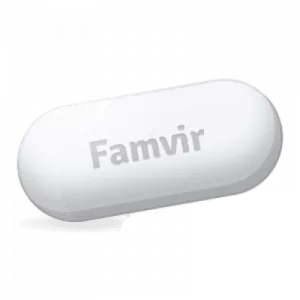
Different prodrug pathway; can be used for HSV and shingles with alternative dosing schedules
Many clinicians prefer valaciclovir when adherence is the limiting factor, because fewer daily doses can be easier to maintain. Aciclovir remains a strong choice when predictable HSV control is needed and the dosing schedule is realistic for the patient’s routine. NICE guidance for herpes simplex management discusses antiviral options and how dosing practicality influences choice and outcomes [5].
Contraindications
Known hypersensitivity to aciclovir or closely related antivirals
Renal impairment requiring dose adjustment
Neurological abnormalities such as seizure history or prior confusion with antivirals
Electrolyte abnormalities or frailty that increase neuro side-effect risk
Pregnancy and lactation when individualized benefit-risk assessment is needed
When this is not for you
This medication is not suitable if you have a known allergy to aciclovir or a related antiviral. Extra caution is needed if your kidneys do not work well, if you have had confusion or seizures, if you are frail, or if you are pregnant or breastfeeding. Hydration matters, because low fluid intake can increase kidney-related risks.
Side effects
Most people tolerate oral aciclovir well. Side effects do happen. The common ones with tablets are headache, nausea, abdominal discomfort, and diarrhoea. Feeling tired can also occur, and some patients describe it as “flu-like heaviness” for the first day or two of dosing.
More serious reactions are uncommon but matter: confusion, agitation, tremor, hallucinations, or marked drowsiness can signal neurotoxicity, which is more likely with renal impairment or excessive dosing. Kidney effects can also occur, especially with high doses or dehydration; reduced urine output, flank pain, or sudden swelling should be treated as urgent warning signs.
Pregnancy and lactation are situations where clinicians weigh benefit vs risk, and dosing choices should be deliberate. EMA safety information and pharmacovigilance summaries describe these precautions and the need for renal dose adjustment where appropriate [3].
Some patients treat a genital herpes flare with harsh antiseptics, which irritates lesions and makes pain worse. Antivirals treat the virus; supportive care should be gentle.
Common mistakes
A few patterns show up again and again in real use, and fixing them often improves results.
Starting too late in an outbreak. Waiting for blisters to “declare themselves” can cost you the best window for symptom reduction.
Under-hydrating during high-dose courses. This increases kidney stress and raises the chance of flank pain or abnormal creatinine.
Doubling doses after a missed dose. This raises side-effect risk without giving extra antiviral benefit.
Using suppressive therapy intermittently. Stop-start patterns can lead to breakthrough symptoms and frustration.
Mistaking irritation for treatment failure. Tight clothing, friction, and strong soaps can worsen discomfort even when the antiviral is working.
Practical tip: If a dose is missed, take it when remembered unless it’s close to the next dose. Keep spacing steady; “catch-up dosing” often causes nausea and headaches.
What doctors say
Clinicians tend to frame Aciclovir as a timing-dependent antiviral. The patients who felt it “did nothing” often started after lesions were already crusting, when viral replication had already slowed. Doctors also see a common misunderstanding around suppressive therapy: it is not a cure, it is a control strategy, and it works best when taken daily without gaps.
In sexual health clinics, prescribers often discuss two parallel goals: improving the patient’s symptoms and reducing transmission risk through fewer outbreaks and reduced shedding. For shingles, doctors place emphasis on early antiviral therapy because severe nerve pain can linger; starting soon after rash onset is linked with better symptom control in guideline-based care pathways.
One more clinical nuance: when kidney function is reduced, side effects can look “neurological” before labs look alarming. Confusion, vivid dreams, or unusual drowsiness during therapy should trigger a dose review rather than pushing through.
Frequently asked questions
Does Aciclovir cure herpes
Aciclovir does not cure herpes, because HSV can remain latent in nerve tissue and reactivate later. It reduces viral replication during outbreaks and can be used as suppressive therapy to reduce recurrences. WHO resources on herpes simplex management explain the difference between controlling replication and eliminating latent virus. The practical takeaway is control and prevention, not eradication.
Use for long-term suppression
Long-term suppressive therapy can be used for people with frequent, distressing recurrences. Clinicians usually reassess periodically to confirm it is still needed and to check tolerability and kidney function trends. NICE guidance discusses suppressive antiviral strategies in recurrent genital herpes and how patient preference and recurrence pattern guide duration. The trade-off is daily dosing and the need to stay consistent.
Missed dose management
Take the missed dose when you remember, unless the next dose is due soon. If it is close to the next dose, skip the missed dose and return to the regular schedule. Doubling up increases side effects and is a common reason people stop the course early. EMA interaction and safety sections emphasize dose appropriateness, especially with renal clearance.
Alcohol use during treatment
Alcohol does not directly block Aciclovir’s antiviral action. The practical issue is dehydration and sleep disruption, which can worsen headaches, nausea, and kidney stress during a course. Keeping fluid intake steady matters more during higher-dose schedules. WHO general guidance on supportive care during viral illness also highlights hydration as a key self-care measure alongside specific antivirals.
Sexual activity during a genital herpes outbreak
Sex during an active outbreak increases transmission risk because viral shedding is highest when lesions are present. Even without visible sores, asymptomatic shedding can occur, and suppressive therapy can reduce but not eliminate that risk. NICE guidance on genital herpes includes counselling points on transmission risk and outbreak management. Many couples use a clear plan: avoid sex during outbreaks, consider condoms consistently, and discuss suppressive therapy if recurrences are frequent.
Do you offer anonymous delivery?
Your order will be securely packed and shipped within 24 hours. This is exactly what your package will look like (images of an actual item sent). It has the size and look of a regular private letter (24x11x0.7 cm) and its contents cannot be seen.
I started on the first day of tingling. The sores still appeared, but they were smaller and less painful by day three. The only downside was mild nausea after the second dose, which improved when I ate something light.
15 Oct 2024
S
Sara, 29
Abu Dhabi
7 days
Verified
Rating: 4.2 out of 5
I used it for a recurrent outbreak. By day two the burning settled and I slept better. I did get a headache on day one, then it passed.
19 Oct 2024
O
Omar, 41
Sharjah
7 days
Verified
Rating: 3.2 out of 5
This was for shingles. The rash stopped spreading after a couple of days, but the nerve pain took longer than I expected. I felt quite tired and had a dry mouth, so I increased water and spaced coffee away from doses.
28 Oct 2024
M
Mariam, 37
Al Ain
10 days
Verified
Rating: 3.4 out of 5
It worked, but I made a mistake the first time and started late. The second time I kept doses evenly spaced and the healing was faster. I also learned not to use perfumed soap on the area because it stung.
2 Nov 2024
L
Lena, 52
Manchester
5 days
Verified
Rating: 3 out of 5
I expected a dramatic overnight change, but the first course was only partly helpful because I started late. My symptoms improved more the next time when I took it right away. I’d call the overall experience fair, not magical.
11 Nov 2024
Sources
European Medicines Agency (EMA) (2023). Summary of Product Characteristics (SmPC) — aciclovir
World Health Organization (WHO) (2022). Herpes simplex virus
European Medicines Agency (EMA) (2021). Aciclovir-containing medicines: safety information and pharmacovigilance review
U.S. Food and Drug Administration (FDA) (2020). Acyclovir tablets: prescribing information
National Institute for Health and Care Excellence (NICE) (2024). Herpes simplex: management