

Inspra
5 customer reviewsInspra is an oral tablet containing eplerenone, a mineralocorticoid receptor antagonist. It is prescribed for adults with high blood pressure or certain types of heart failure after a heart attack. It works by blocking aldosterone to reduce salt and water retention and lower strain on the heart.
What is it?
Inspra is the brand name for eplerenone, and it comes as tablets / film-coated for oral use. Eplerenone is the ingredient that provides the therapeutic effect in Inspra.
Composition
Active substance: eplerenone, a selective mineralocorticoid receptor antagonist. Generic eplerenone tablets contain the same active ingredient and meet bioequivalence standards, differing only in excipients and appearance. Excipients vary by manufacturer and may include fillers, binders, disintegrants, and a film-coating.
How to use?
Inspra is taken by mouth, at the adult dose your prescriber selects. It can be taken with or without food, which makes adherence easier for many patients.
Typical adult dosing patterns used in practice include:
- Hypertension: often started at 50 mg once daily, with adjustment based on blood pressure response and potassium.
- Heart failure after heart attack: often started at 25 mg once daily, then increased to 50 mg once daily as tolerated and if potassium remains in range.
Take it at a consistent time each day. Morning works well if you also take other blood pressure medicines then, though timing can be matched to your routine.
If a dose is missed, take it when you remember on the same day. If it is close to the next scheduled dose, skip the missed one and continue as normal. Doubling up increases the chance of dizziness and high potassium.
How does it work?
- Route: oral (tablets), swallow with water
- Dose: 25 mg or 50 mg per dose (as prescribed)
- Frequency: 1 time/day or 2 times/day
- Timing: take at the same time each day; with or without food
- Titration/duration: continue long term; dose may be increased from 25 mg once daily to 50 mg once daily after about 4 weeks if tolerated
- Missed dose: take the next scheduled dose; do not double the dose
Indications
Inspra, with the active ingredient eplerenone, is an oral medicine used for high blood pressure and for certain patients with heart failure after a heart attack. It is prescribed for adults who need aldosterone (a salt-and-water retaining hormone) blocked to reduce fluid strain on the heart and help lower blood pressure. Inspra is supplied as film-coated tablets.
Comparison
Eplerenone belongs to the mineralocorticoid receptor antagonist (MRA) class. Its main alternative is spironolactone, an older MRA, so prescribers often weigh the two against each other.
| Drug | Class | Receptor selectivity | Hormonal side effects | Typical role |
|---|---|---|---|---|
| Inspra (eplerenone) | MRA | Selective for the mineralocorticoid receptor | Low risk of breast tenderness or gynaecomastia | Post-MI heart failure; resistant hypertension |
| Spironolactone | MRA | Non-selective; also acts on sex-hormone receptors | Higher risk of gynaecomastia and menstrual changes | Heart failure; resistant hypertension; oedema |
Both drugs block aldosterone and both can raise potassium, so labs are monitored either way. Eplerenone is usually preferred when hormonal side effects from spironolactone are a problem, such as breast tenderness in men. Spironolactone is often chosen first for cost reasons and has a longer track record in heart failure. Choice depends on the indication, tolerability, and potassium handling.
Contraindications
- Baseline high potassium (hyperkalemia).
- Severe kidney impairment or advanced kidney disease where potassium handling is already limited.
- Concomitant use with strong CYP3A4 inhibitors that markedly raise eplerenone levels.
Not recommended for
Inspra may not be suitable if you already have high potassium, have significant kidney problems, or are taking medicines that can strongly increase eplerenone levels. It also needs extra caution if you routinely use potassium supplements or potassium-based salt substitutes, or if you take several medicines that raise potassium. Tell your clinician about any recent dehydration (vomiting/diarrhoea) and all regular painkillers and supplements so potassium and kidney function can be monitored safely.
Side effects
Most people tolerate Inspra well, and side effects do occur. The most clinically important risk is hyperkalemia (high blood potassium), because it can affect heart rhythm.
Commonly reported effects in clinical use include:
- High potassium (hyperkalemia): sometimes felt as weakness, tingling, or palpitations, but it can also be silent.
- Dizziness or light‑headedness: more likely when standing up quickly, or when Inspra is combined with other blood pressure medicines.
- Tiredness, headache, or mild gastrointestinal upset: tends to settle after the first weeks.
Serious effects that need urgent assessment include:
- Symptoms consistent with significant hyperkalemia (new palpitations, marked weakness, fainting).
- Allergic reactions (facial swelling, widespread rash, breathing difficulty).
One day-to-day nuance: a “normal” potassium result before starting doesn’t guarantee it stays normal after dose increases, dehydration, a gastroenteritis episode, or a new interacting medicine.
Common mistakes
People usually run into problems from routine habits, not rare events.
- Taking potassium supplements “for cramps” without mentioning it.
- Switching to a salt substitute and using it daily.
- Using NSAIDS for pain for several days while also being slightly dehydrated.
- Skipping follow-up blood tests after a dose increase because they feel fine.
- Cutting fluids too aggressively to reduce swelling, then becoming dehydrated and dizzy.
A small behaviour change can prevent most of these.
Doctor opinions
Eplerenone is typically initiated when baseline potassium is below 5.0 mmol/L and kidney function allows safe handling, per EMA-reviewed prescribing guidance. In practice, cardiologists tend to favour it when the diagnosis is clear (post‑MI heart failure with reduced ejection fraction, or resistant hypertension) and baseline labs support safe initiation. Pharmacists add value by screening medication lists for interactions and by spotting “hidden potassium” sources, such as salt substitutes and supplements, that patients rarely think to mention.
Frequently asked questions
Can Inspra be taken with food or on an empty stomach?
Inspra (eplerenone) can be taken with or without food, so you can fit it into your usual routine. Food does not meaningfully block absorption for most patients, which is helpful for adherence. If nausea occurs, taking it after a light meal can help. Guidance consistent with EMA-reviewed product information supports flexible administration timing.
How long does Inspra take to start working?
Blood pressure effects can start within days, yet the full benefit often becomes clearer over 2–4 weeks as the aldosterone-blocking effect stabilizes. In heart failure after a heart attack, the goal is not only symptom relief but also reducing risk over time with consistent therapy. Many patients feel less fluid retention earlier than they see big changes on a BP machine. WHO class information on mineralocorticoid receptor antagonists aligns with this gradual build expectation.
Can I use NSAIDS for pain while taking Inspra?
NSAIDS can interact with Inspra by increasing the chance of kidney stress and potassium rise, especially in older adults, people with chronic kidney disease, or during dehydration. A short course may be acceptable for some patients, and it should be planned with your prescriber when you also take RAAS medicines. If you need frequent pain control, it is sensible to discuss safer options. Interaction sections in regulator-backed product information highlight NSAIDS as a class to treat with caution.
How does eplerenone differ from spironolactone?
Both block aldosterone, but eplerenone acts more selectively on the mineralocorticoid receptor. Spironolactone also affects sex-hormone receptors, which is why it can cause breast tenderness, gynaecomastia, or menstrual changes more often. Eplerenone is frequently chosen when those hormonal effects are a concern, while spironolactone is often used first for cost and its longer record in heart failure. Both raise potassium, so monitoring is needed either way. EMA product information for eplerenone describes its receptor selectivity.
Does Inspra cause frequent urination like other diuretics?
Inspra is not a classic loop diuretic, so many people do not notice a strong “rush to the bathroom” effect. It changes hormone signalling in the kidney, which tends to produce a gentler natriuretic effect compared with medicines like furosemide. Some patients still notice a mild change in urination early on, especially if fluid retention improves. The mechanism described in EMA product information supports this difference from stronger diuretics.
Do you offer anonymous delivery?
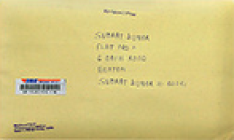 Front view
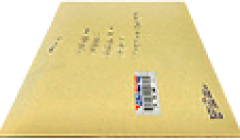 Side view
 Back view
Your order will be securely packed and shipped within 24 hours. This is exactly what your package will look like (images of an actual item sent). It has the size and look of a regular private letter (9.4x4.3x0.3 in. or 24x11x0.7 cm) and its contents cannot be seen.
Inspra — Comparison with alternatives
Inspra Current

Azor

Lisinopril Best rated

Clonidine Best price

Benicar
Reviews and Experiences
Sources
- European Medicines Agency (EMA) (2023). Eplerenone: Summary of Product Characteristics (SmPC). ↑
- World Health Organization (WHO) (2023). WHO Model Formulary: Medicines affecting the renin–angiotensin–aldosterone system (class information). ↑
- MOHAP (Ministry of Health and Prevention) (2025). Medication safety communications: managing drug interactions and monitoring for chronic cardiovascular therapy. ↑
- U.S. Food and Drug Administration (FDA) (2020). INSPRA (eplerenone) — Prescribing Information. ↑
- European Medicines Agency (EMA) (2022). Guideline on the investigation of bioequivalence (generic medicines). ↑
