

Hoodia
4 customer reviewsHoodia is a plant-based dietary supplement in capsule form for adults seeking appetite suppression support during weight loss. It contains Hoodia gordonii extract and is used to help reduce hunger and support portion control by influencing satiety signalling.
What is it?
Hoodia is sold as a dietary supplement aimed at appetite suppression and weight control. People use it as an appetite suppressant when they are trying to reduce portion sizes, cut down on snacking, and stay closer to a calorie target without feeling constantly hungry. The main plant associated with these products is Hoodia gordonii, and the best-known compound discussed in the scientific and supplement literature is P57.
Appetite suppression is not the same as “burning fat.” It is a behavioural lever: if hunger feels lower, it becomes easier to stick to planned meals. Hoodia is believed to act by influencing the hypothalamus, the brain area that helps regulate hunger and satiety, so the body behaves as if it received a “fed” signal sooner than usual [1]. Results vary from person to person, and research outcomes have been mixed in real-life settings.
Composition
Hoodia is a succulent plant from the family Apocynaceae. It is native to arid parts of Southern Africa, including the Kalahari region, and is used in supplements as a plant-based source of appetite-control compounds.
The desert-adapted nature of Hoodia is also why “thirst and hunger” are sometimes mentioned together in popular descriptions. For practical use as a supplement, the clinically relevant point is the extract standardisation and dose consistency, rather than the botany.
This page focuses on Hoodia as capsules. Capsules are often chosen for a more consistent measured intake than teas or loose powders, and they avoid the taste issues that make many users quit early. For most adults, the practical difference between forms is predictability: measured capsules tend to be easier to fit into a routine than beverages or powders.
A common misconception is that “more concentrated” automatically means “better.” Concentration only helps when the dose is tolerable and the person can stay consistent.
How to use?
Hoodia is used as an oral supplement for appetite control during calorie-restricted dieting. It is taken by adults who want support with reduced hunger and smaller portion sizes as part of a weight-management plan.
How does it work?
- Dose: 400 mg by mouth per dose.
- Frequency: 2 times per day.
- Timing: Take 30 to 60 minutes before meals.
- Duration: Use for short-term appetite control, typically up to 8 weeks unless a clinician advises otherwise.
- Route: Oral capsules, swallowed with water.
- Instructions: Do not exceed the recommended daily dose, and stop use if nausea, dizziness, or marked loss of appetite occurs.
Indications
Hoodia is sold as a dietary supplement aimed at appetite suppression and weight control. People use it as an appetite suppressant when they are trying to reduce portion sizes, cut down on snacking, and stay closer to a calorie target without feeling constantly hungry.
Comparison
| Approach | How it aims to help | Trade-offs you should expect |
|---|---|---|
| Hoodia (appetite suppression supplement) | May reduce hunger signals and cravings, supporting portion control | Evidence is limited; dry mouth, nausea, headache can occur; effects feel subtle for some |
| Caffeine-based “thermogenic” supplements | Increase alertness and may raise energy expenditure slightly | Jitters, palpitations, reflux, worse sleep; can raise anxiety and blood pressure |
| Fibre-based satiety products | Increase fullness by adding bulk and slowing gastric emptying | Bloating and gas are common; must be taken with adequate water |
EMA’s public health communications around weight management repeatedly distinguish lifestyle interventions from medicinal treatments for obesity, and that gap helps set expectations for supplements like Hoodia [5].
Contraindications
- Pregnancy or breastfeeding.
- Age under 18.
- Active gastritis, peptic ulcer disease, or significant gastrointestinal irritation.
- A history of allergy to herbal components, or prior allergic reactions to similar plant extracts.
- Serious cardiovascular disease, including uncontrolled hypertension or coronary heart disease.
- Diabetes treated with insulin or sulfonylureas, or a known tendency to hypoglycaemia, unless a clinician is already supervising weight-loss efforts.
Not recommended for
Not for you if any of these apply: pregnancy or breastfeeding, under 18, stomach irritation or ulcer disease, allergy to herbal extracts, serious heart or blood pressure problems, or diabetes treated with insulin or sulfonylureas unless your clinician is supervising weight-loss efforts.
Side effects
Hoodia can cause dry mouth, nausea, stomach discomfort, headache, and dizziness. Some users may notice reduced appetite that is stronger than expected, which can lead to inadequate food intake.
Less common reactions include rash, itching, and symptoms related to low blood sugar, especially in people with diabetes or anyone taking glucose-lowering medicine. If severe weakness, fainting, palpitations, or persistent vomiting occurs, stop use and seek medical advice.
Common mistakes
People rarely “fail” Hoodia because the ingredient is weak; they fail it because the routine is messy.
- Taking it and then skipping meals, then overeating later in the day.
- Using it on days with very low water intake, then blaming the product for headaches or dizziness.
- Doubling the dose after two days because hunger did not vanish.
- Pairing it with multiple stimulant diet pills at the same time, then struggling with nausea and poor sleep.
- Ignoring low blood sugar symptoms in people prone to hypoglycaemia.
One more real-world issue: some users confuse reduced appetite with “I should eat nothing.” Weight loss is easier when appetite is lower, yet the body still needs protein, fibre, and fluids.
Doctor opinions
In clinical practice, doctors tend to split appetite control into two buckets: “physiologic hunger” and “habit hunger.” Hoodia sits in the first bucket, where the goal is to make planned meals feel sufficient, so adherence improves. When physicians talk to patients about supplements, the first question is usually about safety in chronic conditions, not the marketing claim.
Many clinicians also flag that weight-loss expectations can be unrealistic. A supplement that reduces hunger may still fail if sleep is short, protein is low, or meals are skipped and then compensated with late-night calories. Another frequent observation: people with blood sugar variability (prediabetes, diabetes, reactive hypoglycaemia) can feel worse if appetite drops and meal timing becomes irregular.
One sentence I’ve heard from obesity medicine prescribers is: “If it helps you keep to the plan, it is useful; if it pushes you into meal skipping, it backfires.”
Frequently asked questions
Does Hoodia really suppress appetite?
Evidence suggests Hoodia may influence appetite in some users, and results are inconsistent across studies and real-world use. The most realistic benefit is feeling satisfied with smaller portions, not a complete loss of hunger. In practice, people who already eat structured meals tend to notice the effect more clearly than those who skip meals and graze.
How long does it take to feel an effect?
Many users report noticing appetite changes within the first few days, while others need one to two weeks of consistent timing before they can judge it. The effect is often most obvious in the time window when snacking used to happen, such as late afternoon or after dinner.
Can Hoodia affect blood sugar?
Hoodia has been associated with decreased blood sugar in some reports, which can be risky for people prone to hypoglycaemia or those using glucose-lowering medicines. The bigger issue is indirect: if appetite drops and meals become irregular, glucose variability can increase even if the supplement itself is mild. For adults with diabetes, weight-loss efforts are safest when meal timing and medication plans are aligned.
Is Hoodia suitable for people with high blood pressure?
People with serious cardiovascular disease, including uncontrolled hypertension or coronary heart disease, are typically advised to avoid weight-loss aids unless a clinician is overseeing the plan. Appetite suppression can change hydration patterns, and some users stack supplements that include stimulants, which is a common trigger for palpitations. If blood pressure is stable and no stimulant products are used, some adults tolerate Hoodia, and caution is still sensible.
Can Hoodia be taken with other weight loss aids?
Combining multiple diet pills increases the chance of nausea, headaches, poor sleep, and “stop-start” dieting behaviour. The most problematic pairing in practice is an appetite suppressant plus strong caffeine intake, since dehydration and reflux become more common. If you are already using fibre products for satiety, spacing them away from other supplements can reduce stomach discomfort.
What are the most common side effects people notice first?
Dry mouth is the one I hear about most often, usually in the first week, followed by mild nausea if meals are delayed. Headache and dizziness can show up when fluid intake is low or when people unintentionally under-eat. Skin rash or itching is less common but should be taken seriously as a possible allergy signal.
Do you offer anonymous delivery?
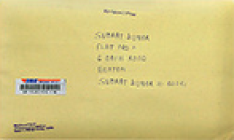 Front view
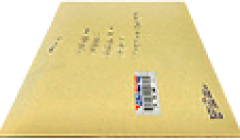 Side view
 Back view
Your order will be securely packed and shipped within 24 hours. This is exactly what your package will look like (images of an actual item sent). It has the size and look of a regular private letter (9.4x4.3x0.3 in. or 24x11x0.7 cm) and its contents cannot be seen.
Hoodia — Comparison with alternatives
Hoodia Current

Alli

Ayurslim Best price Best rated

Orlistat

Xenical
Reviews and Experiences
Sources
- National Center for Complementary and Integrative Health (NCCIH) (2023). Hoodia (Hoodia gordonii) — Health Information. ↑
- PubMed (2011). Effects of 15-d repeated consumption of Hoodia gordonii purified extract on safety, ad libitum energy intake, and body weight in healthy, overweight women: a randomized controlled trial. ↑
- MOHAP (Ministry of Health and Prevention) (2024). Public health information on healthy diet, physical activity, and weight management. ↑
- World Health Organization (WHO) (2023). Healthy diet and overweight/obesity: guidance for the public. ↑
- European Medicines Agency (EMA) (2022). Public health information on weight management and authorised medicines for obesity. ↑
