موثّق
My fasting numbers moved slowly, but the after‑meal spikes were less dramatic by week three. I did not feel ‘different’ day to day, which was fine. I kept taking metformin and walked after dinner more consistently.
18 Nov 2024

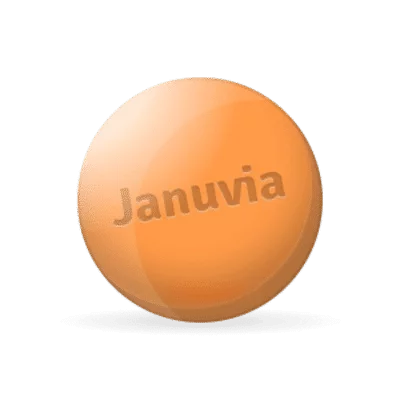
Januvia is a prescription medicine containing sitagliptin, a DPP-4 inhibitor. It is for adults with type 2 diabetes who need add-on help alongside diet, exercise, or other diabetes medicines. It improves blood sugar control by boosting incretin hormones to increase insulin release and reduce glucagon when glucose is high.
Januvia is a DPP-4 inhibitor used in type 2 diabetes to smooth out blood glucose rises after meals and improve day-to-day glycaemic control. It is often used alone or alongside other antidiabetic medicines, including insulin and sulfonylureas, when a clinician needs stronger control without adding a high risk of low sugars. The key point is that it supports the body’s own glucose-dependent insulin response, so it tends to work when glucose is elevated and “backs off” when glucose is closer to target. This pharmacology is one reason it is commonly chosen for people who cannot tolerate certain older agents.
From a practical standpoint, what matters is the mechanism and the dosing plan your prescriber sets, plus whether you have kidney impairment that requires dose adjustment. Sitagliptin is not insulin, and it does not “replace” insulin in type 2 diabetes; it modifies incretin activity to help your pancreas respond more appropriately after food.
One nuance I see in real use: patients sometimes expect sitagliptin to cause noticeable symptoms when it starts working. Most people feel nothing day-to-day, and the benefit shows up in home glucose trends and HbA1c results rather than a “felt” effect.
Januvia pills are taken by mouth once daily. It can be taken with or without food, which makes it easier to fit into a routine. Consistent timing helps adherence, and adherence is what drives HbA1c improvement over weeks.
Do not double doses. Do not stop it abruptly.
Januvia, containing the active ingredient sitagliptin, is a prescription medication used to improve blood sugar control in adults with type 2 diabetes. It is for people who need add-on help when diet, exercise, and other diabetes medicines are not enough.
Choice in type 2 diabetes is about matching the drug to the person’s risks, goals, and comorbidities. Januvia is often selected for its neutral effect on weight and low baseline hypoglycaemia risk, while other classes may be preferred when weight loss or cardio-renal protection is the priority.
| Option (class) | What it tends to be best for | Common trade-offs |
|---|---|---|
| Sitagliptin (DPP‑4 inhibitor) | Add-on control with low baseline hypoglycaemia risk and weight neutrality | Less HbA1c lowering than GLP‑1 receptor agonists for many people; pancreatitis and rare skin/joint reactions need awareness |
| Sulfonylureas | Low cost and strong glucose lowering | Higher hypoglycaemia risk and weight gain; dosing errors are common |
| Insulin | Powerful glucose lowering at any HbA1c level | Requires titration, injections, and close monitoring; hypoglycaemia risk depends on regimen |
A “what changed” point from 2025–2026 prescribing trends: in many settings, clinicians increasingly prioritise cardio‑renal outcomes when choosing add-ons, which shifts earlier use toward SGLT2 inhibitors or GLP‑1 receptor agonists in eligible patients, while DPP‑4 inhibitors like Januvia remain a steady option when tolerability and simplicity are the main constraints [5].
This medication is NOT for you if any of the following apply:
Most people tolerate sitagliptin well, and many side effects—when they occur—are mild and self-limited, such as headache, runny nose, or sore throat. Constipation can occur with Januvia [2]. In day-to-day pharmacy conversations, constipation is often manageable with hydration, fibre, and reviewing other constipating medicines (iron, some pain medicines).
Serious adverse reactions are uncommon, but they matter because they require quick action from a clinician. Pancreatitis is the headline safety concern: severe, persistent abdominal pain (often radiating to the back), with or without vomiting, should be assessed urgently. Severe allergic reactions can occur, including angioedema, anaphylaxis, and rare severe skin reactions such as Stevens–Johnson syndrome. Severe joint pain (arthralgia) has been reported and can be disabling. Bullous pemphigoid (blistering skin condition) has also been linked to DPP‑4 inhibitors and may require hospital care and stopping the medicine.
Side effects can cluster early. Some appear weeks later.
People make predictable mistakes with DPP‑4 inhibitors, and they can blunt results:
One more real-world detail: some patients blame Januvia for weight gain after starting it, when the real driver is reduced glucose loss in urine after control improves, plus unchanged calorie intake.
Januvia starts affecting post‑meal glucose soon after you begin daily dosing, yet the benefit you care about most—HbA1c—moves over weeks, not days. Many clinicians review early home glucose trends in the first 2–4 weeks, then assess HbA1c after roughly 3 months of consistent use. EMA product information for sitagliptin supports this time course, since HbA1c reflects an average over red blood cell lifespan . Date checked: 2026.
When used alone, sitagliptin has a low baseline tendency to cause hypoglycaemia because it boosts insulin in a glucose‑dependent way. The risk rises when combined with insulin or sulfonylureas, because those medicines can lower glucose even when you have not eaten. WHO safety materials for diabetes care highlight combination therapy as a common setting for avoidable low sugars and dose mismatch . Date checked: 2026.
Severe, persistent abdominal pain (with or without vomiting) needs urgent assessment because pancreatitis is a serious reported adverse reaction with DPP‑4 inhibitors. Swelling of the face/lips/tongue, breathing difficulty, widespread rash, blistering skin, or sudden severe joint pain also require prompt medical evaluation. EMA safety information for sitagliptin describes these as clinically significant events that may require stopping the medicine and treatment . Date checked: 2026.
No. Januvia is for adults with type 2 diabetes and is not intended to treat type 1 diabetes. It is also not a treatment for diabetic ketoacidosis, which requires urgent medical management with insulin and fluids. This indication boundary is consistent across regulator-reviewed product information and standard diabetes guidance . Date checked: 2026.
Kidney function is a key factor for sitagliptin dosing because the medicine is cleared mainly through the kidneys. In practice, people with reduced renal function are often prescribed a lower dose, and clinicians re-check kidney labs periodically to keep exposure appropriate. EMA documentation for sitagliptin includes renal dose adjustments as a core safety step . Date checked: 2026.
سيتم تغليف طلبك بشكل آمن وشحنه خلال 24 ساعة. هذا هو الشكل الذي ستبدو عليه طردك بالضبط (صور لمنتج فعلي تم إرساله). له حجم ومظهر رسالة خاصة عادية (9.4×4.3×0.3 بوصة أو 24×11×0.7 سم) ولا يمكن رؤية محتوياته.