

Verified
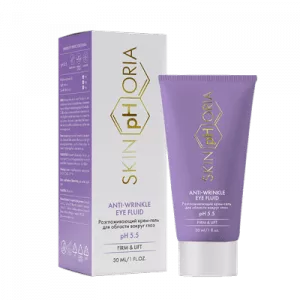
I used Anti Wrinkle Eye Fluid every morning under sunscreen. The fine lines looked softer by week three, and my concealer stopped creasing as much. I liked that it didn’t feel greasy.
17 Apr 2026

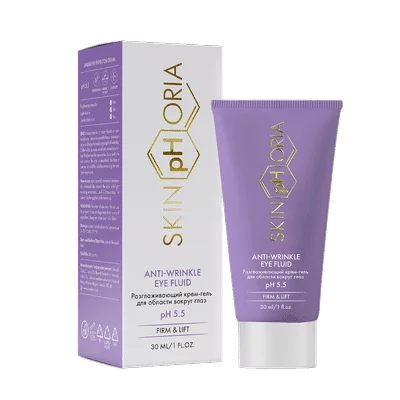
An anti-wrinkle eye fluid is a lightweight leave-on skincare product for the delicate eye contour. It is for adults who want to prevent or soften early fine lines and improve under-eye comfort. It works mainly by supporting surface hydration and skin elasticity for a smoother, firmer-looking finish.
An anti-wrinkle eye fluid is a targeted skincare treatment designed to reduce the appearance of fine lines and wrinkles around the delicate eye area. It suits adults who want smoother-looking under-eyes, better firmness, and more comfortable hydration where facial creams can feel too heavy. The fluid format focuses on lightweight moisture support and a firmer look by improving surface hydration and skin elasticity.
Core ingredients and what they do in the eye area:
One limitation to keep expectations realistic: no eye fluid erases deep dynamic lines caused mainly by muscle movement. Those lines can look softer with hydration and texture support, yet they still crease when you smile.
Use a very small amount per eye. A grain-of-rice amount is often enough.
Two small technique details make a big difference. First, avoid dragging: rubbing stretches thin eyelid skin and can worsen irritation. Second, keep distance from the wet rim of the eye; excess product can migrate and sting.
Anti Wrinkle Eye Fluid is suitable for adult users who want prevention and visible improvement in early signs of ageing. Many people start an eye product when fine lines appear with makeup, when under-eye skin feels tight after cleansing, or when sleep makes puffiness more noticeable.
It also fits a wide range of skin types because fluids usually balance hydration with a lighter feel:
One-sentence reality check: deeper crow’s feet still crease with expression.
Texture choice affects comfort, layering, and how likely you are to keep using the product daily. Fluids tend to suit people who dislike heaviness under the eyes, wear sunscreen and makeup, or get milia with rich creams. Creams suit drier, mature skin that needs more occlusion. Gels suit oily skin types and morning puffiness routines.
| Format | Texture & feel | Best fit |
|---|---|---|
| Eye fluid | Lightweight, silky, fast-set | Fine lines + layering under sunscreen/makeup |
| Eye cream | Richer, more cushioning | Dryness, comfort, barrier support |
| Eye gel | Water-gel, cooling | Morning puffiness and a lighter finish |
Do not use this eye fluid if you have reacted badly to eye cosmetics before or you suspect an allergy. Avoid it when you have an active eye infection or inflamed eyelids, or if the skin around your eyes is broken, weeping, or healing from a peel or procedure. If you are pregnant or breastfeeding and prefer to avoid vitamin A derivatives, keep eye-area routines conservative.
Mild transient tingling can happen, yet persistent burning, swelling, or a rash is a sign to stop and reassess.
Small errors around the eyes show up fast. These are the patterns I see most often.
This mistake is common: people treat the eyelid like cheek skin.
Dermatology clinics tend to frame eye-area products as “barrier + hydration first, actives second.” That approach reduces irritation and improves adherence, and adherence is what creates visible change after several weeks. MOHAP public health messaging around cosmetics and personal care repeatedly highlights responsible use and avoidance of irritants near mucous membranes, which is directly relevant to the eye contour area. [2]
In practice, clinicians often advise three priorities for eye routines:
One thing doctors also point out: “dark circles” is a mixed diagnosis, not a single condition. If you mainly have hollowing and shadowing, topical care improves texture and brightness, yet structural shadow remains.
Hydration benefits can show the same day as a smoother, less tight feel, since humectants like hyaluronic acid can improve surface plumpness quickly. Fine-line appearance usually changes more slowly and depends on consistent use for several weeks. Many dermatology texts describe visible texture change as a “skin cycle” process that tends to track with turnover timing rather than overnight change. WHO skin health materials in 2026 still emphasise daily barrier support as the base for visible comfort and resilience. [4]
Yes, many routines pair an eye hydrator with retinoids used elsewhere, yet placement and frequency decide tolerance. Keep retinal products away from the lash line because they can migrate and irritate the eye surface during sleep. EMA safety communication on retinoids updated in 2025 reinforced careful use and risk minimisation, especially around avoidable exposure scenarios. If irritation appears, reduce frequency rather than adding more products.
It is intended for adult users and usually works well across oily, normal, and combination skin because fluids feel lighter than dense creams. Dry skin can still benefit, yet may prefer adding a small amount of a bland moisturizer on top at night. MOHAP public guidance for personal care products supports selecting products that match skin sensitivity and avoiding irritants near the eye area. A simple rule: comfort predicts consistency. [5]
Dark circles may be vascular (bluish), pigmented (brown/grey), structural (shadow), or post-irritation redness. Hydration and caffeine-based de-puffing can improve the vascular “tired” look and make the area reflect light better, so it looks brighter. Structural shadowing from anatomy changes least with topical care, even with great ingredients. WHO educational material on skin biology describes how thickness, hydration, and microcirculation influence perceived tone.
Most people tolerate placement along the orbital bone under the eye and at the outer corner better than on the mobile eyelid. The eyelid margin is close to the tear film, so migration increases sting and watery eyes. MOHAP consumer safety messaging for cosmetics prioritises avoiding direct contact with mucous membranes, which is relevant to eyelid and lash-line placement. If you are prone to eyelid dermatitis, keep products off the lid unless your dermatologist advised it.
First, rinse the eye with clean water if product got into the eye itself, and stop using it that day. If the sting is on the skin only, give the area 48–72 hours with bland moisturiser and no actives, then restart using half the amount and placing it farther from the lash line. EMA discussions around irritant reactions in sensitive areas highlight that dose and exposure area often matter as much as the ingredient list. If swelling, hives, or persistent redness appears, treat it as a possible allergy and avoid re-challenge.
